Introduction
Every homeowner knows the importance of a reliable HVAC system. Whether it’s scorching summer heat or frigid winter cold, your heating, ventilation, and air conditioning (HVAC) system plays a pivotal role in ensuring comfort in your home. However, like any other mechanical device, HVAC systems have a lifespan. Over time, they can become less efficient or even fail entirely. In this article, we'll explore the critical “Signs That Indicate You Might Need a New HVAC System Soon!” With the right knowledge in hand, you can make informed decisions that will keep your home comfortable and energy-efficient.
Understanding Your HVAC System
What is an HVAC System?
An HVAC system is more than just air conditioning; it involves heating, ventilation, and cooling to create a controlled environment within your home. These systems can be complex and often consist of multiple components working together.
The Lifespan of an HVAC System
Typically, an HVAC system lasts between 15 to 25 years depending on usage, maintenance, and quality of installation. Knowing when your unit was installed can help gauge its remaining life.
Signs That Indicate You Might Need a New HVAC System Soon!
1. Age of Your Unit Matters
One of the first indicators that it may be time to replace your HVAC system is its age. If your unit is over 15 years old and showing signs of wear and tear, you might want to start planning for a replacement.
Why Does Age Matter?
Older systems are generally less efficient than newer models. Technology improves significantly over time; therefore, replacing an old unit could lead to lower energy bills.
2. Frequent Repairs Required
Are you calling your technician more often than you’d like? Frequent breakdowns and repairs can be costly over time.
Cost vs Benefit Analysis
If repairs exceed 50% of the cost of a new system annually, it may be worth investing in a new unit instead.
3. Rising Energy Bills
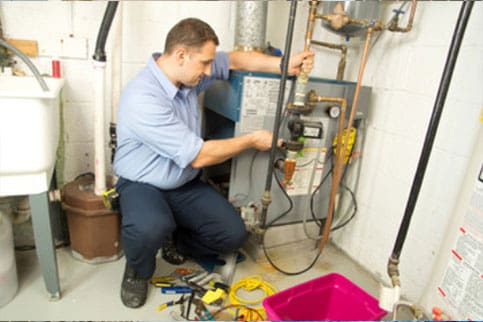
Sudden spikes in your utility bills can indicate that your HVAC system is no longer operating efficiently.
How Much Can Energy Bills Rise?
Even minor inefficiencies can cause energy costs to rise significantly over months or years—often without noticeable changes in performance.
4. Uneven Temperatures Throughout Your Home
If some rooms Ac repair in Tucson are freezing while others are sweltering hot, this inconsistency could signal an issue with airflow or ductwork.
The Importance of Balanced Airflow
Balanced airflow ensures every room receives adequate heating or cooling; otherwise, it puts extra strain on the system.
5. Strange Noises Coming from Your Unit
Unusual sounds like grinding or squeaking could indicate serious problems within the unit that may necessitate replacement.
What Do These Noises Mean?
- Grinding: Could indicate motor issues Squeaking: May suggest loose parts
6. Increased Humidity Levels Indoors
An inefficient AC may not remove humidity effectively from the air leading to discomfort and potential mold growth.
Why Is Humidity Control Important?
Excess moisture can damage furniture and walls while creating an unhealthy living environment.
7. Dust Accumulation Around Vents
Finding excessive dust around vents can mean that your filtration system isn't functioning properly or that there are leaks in the ductwork.
Dust-Free Homes Are Healthier Homes
Poor filtration can exacerbate allergies and respiratory problems.
8. Thermostat Issues
If you're constantly adjusting your thermostat but still feel uncomfortable, it might be malfunctioning or improperly calibrated.
Thermostat Replacement Considerations
Investing in a smart thermostat along with a new HVAC unit could enhance efficiency further by optimizing performance based on usage patterns.
FAQ Section
Q1: How do I know if my HVAC unit needs replacement?
A1: Look for age (over 15 years), frequent repairs, rising energy bills, uneven temperatures among rooms, strange noises from the unit, higher humidity levels indoors, dust accumulation around vents, and thermostat issues as key signs indicating replacement may be necessary.
Q2: What’s the average cost for a new HVAC installation?
A2: Costs vary widely based on brand and installation complexity but generally range from $3,000 to $7,000 including labor for residential units.
Q3: Can I repair my old system instead of replacing it?
A3: It depends on the extent of repairs needed versus the cost-effectiveness compared to purchasing a new model—typically if repairs exceed half the cost of buying new it's advisable to replace rather than repair.
Q4: How often should I service my HVAC system?
A4: It's recommended to have professional maintenance at least once per year for both heating and cooling systems—more frequently if you live in extreme climates or use your unit heavily.
Q5: What is SEER rating? Why does it matter?
A5: The Seasonal Energy Efficiency Ratio (SEER) measures efficiency during cooling seasons; higher ratings equate to increased efficiency which translates into lower electricity bills over time—look for units with SEER ratings above 16 for optimal savings!
Q6: Can I install an HVAC system myself?
A6: While DIY enthusiasts might consider self-installation possible due to accessible resources online—we recommend hiring professionals due to safety concerns along with local building code compliance requirements!
Conclusion
In conclusion, understanding the signs that indicate you might need a new HVAC system soon is essential for maintaining comfort in your home while also protecting your investment long-term. From recognizing unusual noises to being aware of rising energy costs or humidity issues—these indicators serve as red flags that shouldn't be ignored! Take proactive steps towards ensuring optimal indoor air quality by keeping tabs on these symptoms so that when it's time for replacement—you'll be fully equipped with knowledge necessary for making informed choices about what suits best! Remember—the earlier you act upon these signs—the better off you'll be financially down-the-line!
Ultimately investing wisely today means saving big tomorrow—not only dollars spent but also enhanced comfort level enjoyed by everyone inside those four walls!
This article serves as both an informative guide and practical resource aimed at illuminating potential warning signals about existing underlying problems within their current heating/cooling arrangements so they won't hesitate when faced with needing upgrades accordingly—because who wants their home feeling anything less than cozy year-round?!